Neil Patel Explains Difference Between AEO And GEO Strategies
AEO and GEO are two distinct SEO strategies, according to Neil Patel. AEO helps content show up as direct answers, while GEO is built for AI-powered results.
Original reporting · neilpatel.com
Original: “GEO vs SEO vs AEO vs LLMO: What’s The Difference?”
Read “GEO vs SEO vs AEO vs LLMO: What’s The Difference?” at Neil Patel →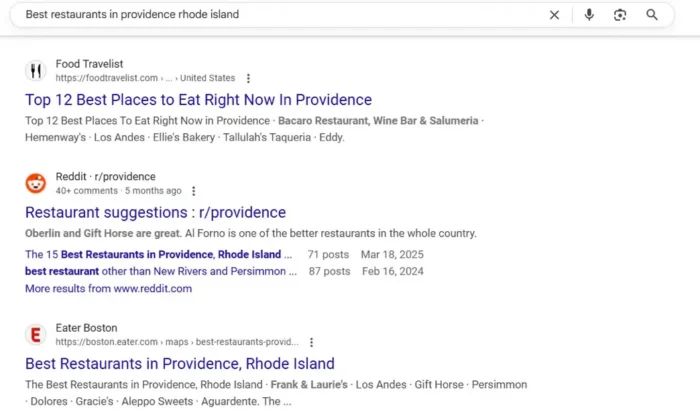
How this was written. Content Catalyst wrote this article with a language model from Neil Patel’s reporting (model: @cf/meta/llama-3.3-70b-instruct-fp8-fast); it describes that reporting rather than adding to it. The original, linked above, is the full story.
Key points from Neil Patel’s report
- AEO and GEO are two distinct SEO strategies with different purposes and approaches.
- AEO helps content appear as direct answers in search results, while GEO is designed for AI-powered results.
- Businesses can use both AEO and GEO strategies, depending on their goals and target audience.
- Optimizing for AEO and GEO requires different approaches, including structuring content with clear headers and schema markup, and creating longform, helpful content with demonstrated expertise.
- Common mistakes when implementing AEO and GEO include treating them as mutually exclusive and ignoring content freshness.
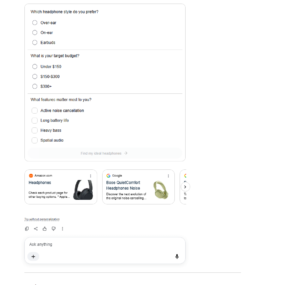
Marketers often treat AEO and GEO as interchangeable, but they serve different purposes in modern SEO, according to Neil Patel. AEO helps content appear as a direct answer in search results, while GEO is designed for AI-powered results like Google's AI Overviews and ChatGPT.
AEO stands for Answer Engine Optimization, a content strategy that helps sites appear as direct answers in search results, such as featured snippets or voice assistant responses. This strategy focuses on creating content that is clean, relevant, and easy to parse.
GEO, on the other hand, stands for Generative Engine Optimization, which addresses how AI-powered search engines generate answers. With GEO, businesses position their content to become a trusted source that AI systems cite, summarize, or build from, rather than just trying to rank.
The key differences between AEO and GEO lie in their purposes and approaches. AEO is best for appearing in featured snippets, answer boxes, or 'People Also Ask' sections, while GEO is best for being cited in Google's AI Overviews or Bing's Copilot summaries.
Businesses can use both AEO and GEO strategies, depending on their goals and target audience. AEO is useful for quick visibility and answering short, direct questions, while GEO is better for building authority and competing on informational depth.
To optimize for AEO, businesses should structure their content with clear headers, short answers, and schema markup like FAQ or HowTo. For GEO, they should focus on creating longform, helpful content that answers complex topics completely, with demonstrated expertise and fresh data.
Common mistakes when implementing AEO and GEO include treating them as mutually exclusive, optimizing for machines at the expense of humans, and ignoring content freshness. Businesses should avoid these mistakes and track their results separately to determine which strategy drives which outcomes.
Questions and answers
What is AEO?
AEO stands for Answer Engine Optimization, a content strategy that helps sites appear as direct answers in search results.
What is GEO?
GEO stands for Generative Engine Optimization, which addresses how AI-powered search engines generate answers.
Can businesses use both AEO and GEO strategies?
Yes, businesses can use both AEO and GEO strategies, depending on their goals and target audience, as they serve different purposes in modern SEO.