Publishers Adapt To Post-Google Era With Subscriptions And AI
Publishers are rewriting their playbooks to prepare for a future with less Google traffic, focusing on subscriptions, AI visibility products and team reorgs. This shift is crucial for their survival in a changing media landscape.
Original reporting · digiday.com
Original: “Inside the post-Google playbook: Subscriptions, AI and team reorgs”
Read “Inside the post-Google playbook: Subscriptions, AI and team reorgs” at Digiday →
How this was written. Content Catalyst wrote this article with a language model from Digiday’s reporting (model: @cf/meta/llama-3.3-70b-instruct-fp8-fast); it describes that reporting rather than adding to it. The original, linked above, is the full story.
Key points from Digiday’s report
- Publishers are preparing for a post-Google era by revamping their subscription offerings and AI visibility products.
- Team reorganizations are underway, with companies restructuring their audience teams around specialists.
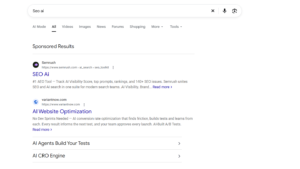
- AI visibility products are becoming a key area of focus, with publishers serving ads to AI agents and offering AI visibility services.
Publishers are finally taking action to prepare for a future where Google is no longer a major source of traffic, according to Digiday. Companies like Axios, The Verge and Time are revamping their strategies to stay afloat in a post-Google world.
Digiday reported that senior media reporter Sara Guaglione and senior media editor Jessica Davies discussed the most promising publisher investments on a recent episode of the Digiday Podcast. They highlighted three key ways publishers are adapting to the new era: LLM subscriptions, team reorganizations and AI visibility products.
LLM subscriptions allow users to connect their subscriptions to AI tools, enabling them to query publisher content through chatbots. Axios has implemented this feature, and Davies noted that it is a prime example of how publishers are monetizing agentic audiences.
Team reorganizations are also underway, with companies like The Verge and Politico restructuring their audience teams around specialists. The Verge has expanded its team and avoided layoffs through these changes, while Politico has combined product, audience and AI roles under one person.
AI visibility products are another area of focus, with publishers like Time serving ads to AI agents to generate revenue from bot traffic. Future and Ziff Davis are also offering AI visibility services, which Davies said can provide a strong benefit to publishers who have not blocked AI web crawlers.
Guaglione noted that these changes reflect a new era for publishers, requiring new titles and job responsibilities to navigate the disruption caused by Google's reduced traffic. As the media landscape continues to evolve, publishers must adapt to stay competitive.
The shift towards AI visibility products and LLM subscriptions may become a key differentiator for publishers in the future. As Davies said, publishers who have not blocked AI web crawlers are now benefiting from the data they have collected, and can sell this data to clients.
Questions and answers
What is the post-Google era?
The post-Google era refers to a future where Google is no longer a major source of traffic for publishers.
How are publishers adapting to the post-Google era?
Publishers are adapting by revamping their subscription offerings, serving ads to AI agents and restructuring their internal teams.
What are LLM subscriptions?
LLM subscriptions allow users to connect their subscriptions to AI tools, enabling them to query publisher content through chatbots.