Google Updates Gemini With Optional Search Feature
Google's Gemini now allows users to turn off Google Search, which may impact publishers. This change gives users more control over their search experience.
Original reporting · searchenginewatch.com
Original: “Google Gemini now lets you turn off Google Search, and publishers could pay the price”
Read “Google Gemini now lets you turn off Google Search, and publishers could pay the price” at Search Engine Watch →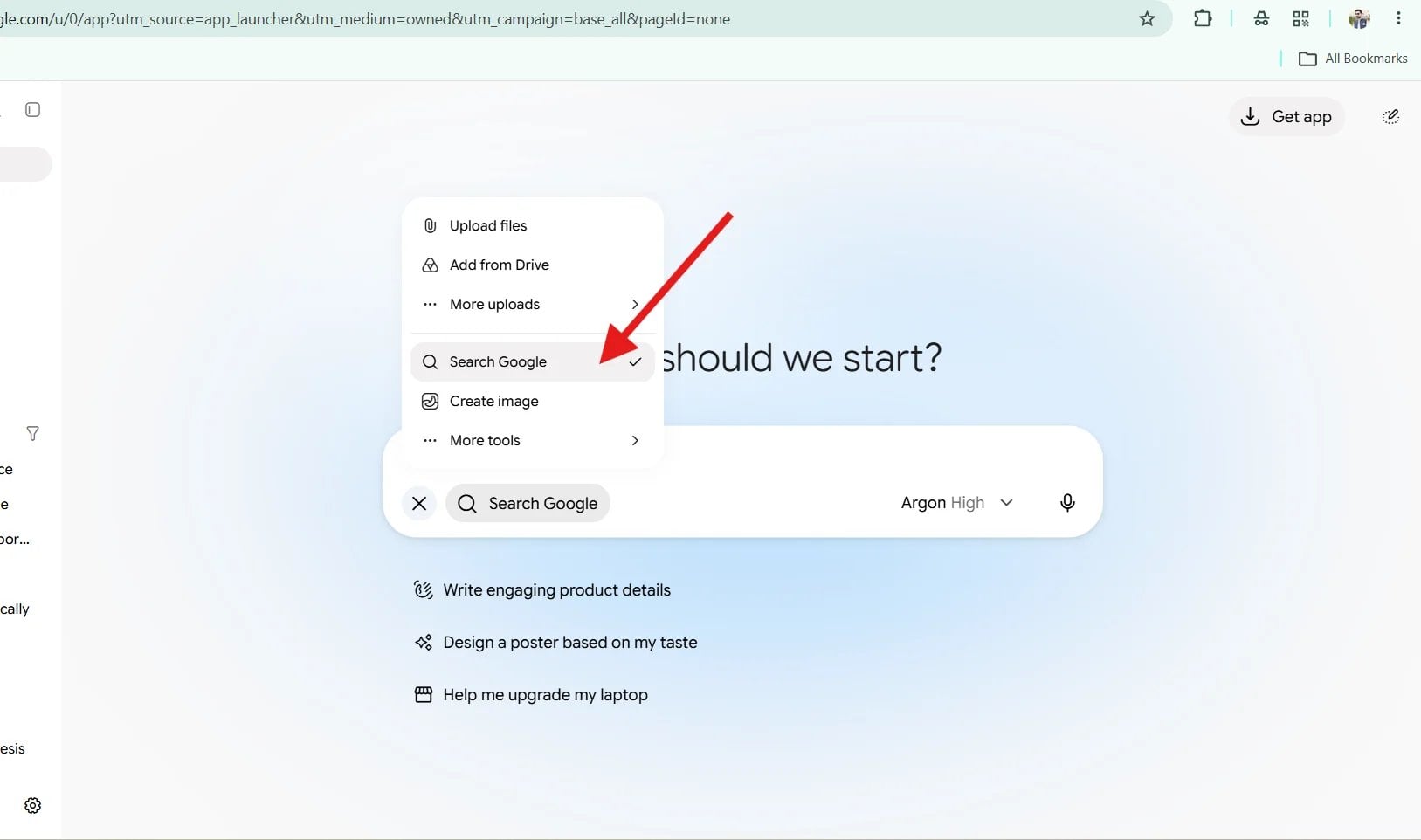
How this was written. Content Catalyst wrote this article with a language model from Search Engine Watch’s reporting (model: @cf/meta/llama-3.3-70b-instruct-fp8-fast); it describes that reporting rather than adding to it. The original, linked above, is the full story.
Key points from Search Engine Watch’s report
- Google's Gemini web app now allows users to turn Google Search on or off for individual prompts.
- This change gives users more control over their search experience, but may impact publishers who rely on citations from Google Search.
- The rollout of this feature is not listed in the Gemini release notes, suggesting that it may be a gradual or experimental release.
- Google is testing new features and interfaces for its search products, including a '+' button on its mobile homepage.
- The impact of this change on publishers and the wider search ecosystem remains to be seen.
Google has introduced a new feature in its Gemini web app, allowing users to turn Google Search on or off for individual prompts. This update, first spotted on X, provides users with more control over their search experience, according to Search Engine Watch.
The new Search Google option is located in the menu behind the plus icon next to the prompt box. Selecting this option adds a check mark in the menu and a Search Google chip to the prompt box, giving users a clear indication of whether search is enabled or not.
Until now, Gemini automatically decided when to use Google Search to ground an answer. With this update, users can choose to force a search for questions about recent events or skip it when live results are not needed, providing more flexibility in their search queries.
For publishers, this change may have significant implications. A prompt answered without Search means that there will be no web sources to cite, which could further reduce the already thinning citations seen in AI Mode. Google has not announced whether the option is on by default or how widely it is rolling out, leaving some uncertainty for publishers.
The rollout of this feature is not listed in the Gemini release notes, which suggests that it may be a gradual or experimental release. The most recent entry in the release notes covers the rollout of Gemini 4 Argon to Google AI Pro and Ultra subscribers, but does not mention the new Search Google option.
This update is part of a broader trend of Google testing new features and interfaces for its search products. For example, the company is testing a '+' button on its mobile homepage that gives users quick access to AI Mode, image creation, and other features. As Google continues to evolve its search products, users and publishers can expect to see more changes and updates in the coming months.
The impact of this change on publishers and the wider search ecosystem remains to be seen. However, it is clear that Google is committed to providing users with more control and flexibility in their search experience, and is willing to experiment with new features and interfaces to achieve this goal.
Questions and answers
What is the new Search Google option in Gemini?
The new Search Google option allows users to turn Google Search on or off for individual prompts, giving them more control over their search experience.
How will this change impact publishers?
For publishers, a prompt answered without Search means that there will be no web sources to cite, which could further reduce the already thinning citations seen in AI Mode.
Is the Search Google option on by default?
Google hasn't said whether the option is on by default or how widely it is rolling out, leaving some uncertainty for users and publishers.